
Archipelago
A chain, cluster, or collection of islands.

NASA Goddard Space Flight Center · CC BY 2.0
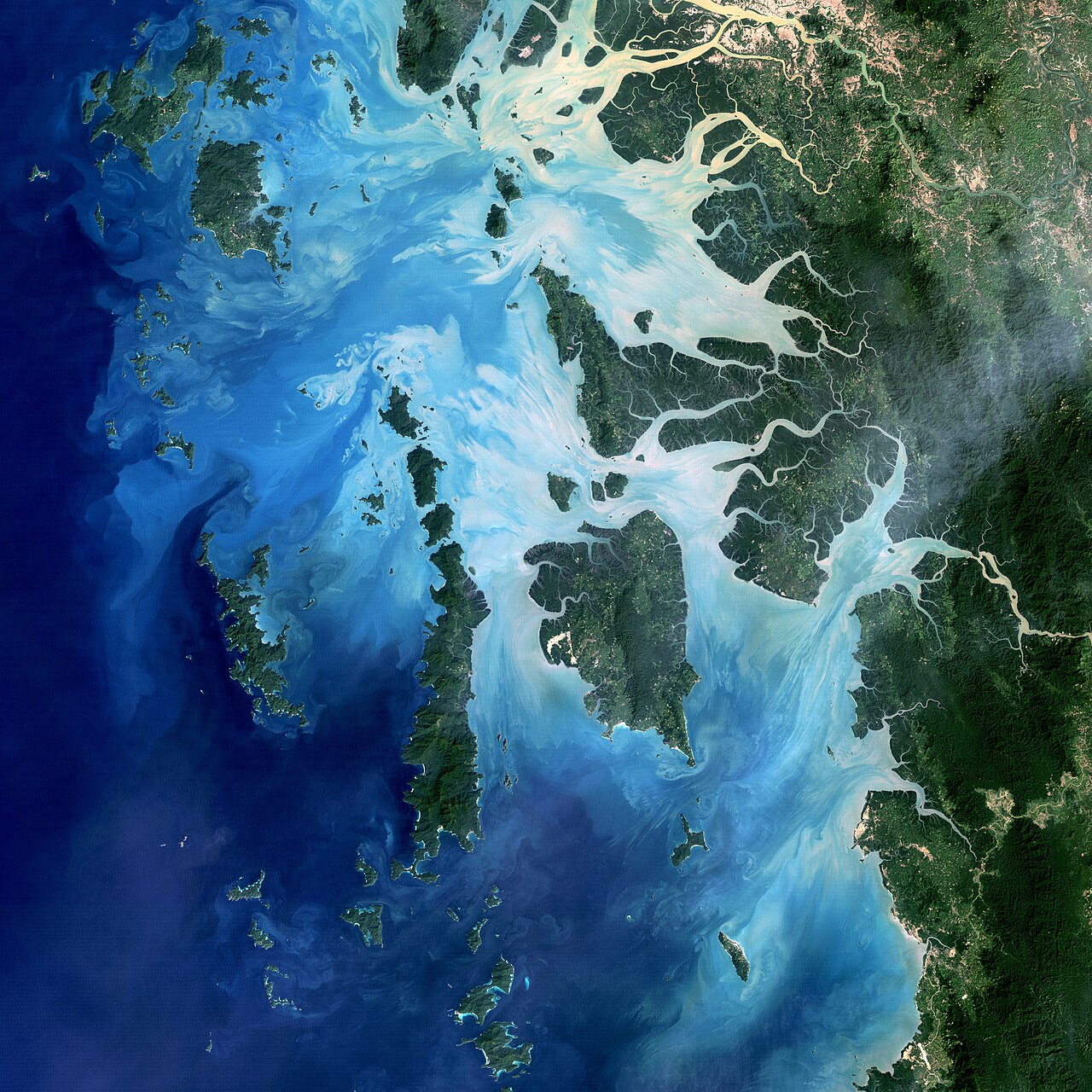
An archipelago, sometimes called an island group or island chain, is a chain, cluster, or collection of islands. Archipelagos may be found in oceans, seas, or smaller bodies of water, and can be formed through volcanic activity, continental fragmentation, limestone reef exposure, or artificial construction. The term originates from the Italian 'arcipelago,' used as a proper name for the Aegean Sea, and later shifted to refer to the Aegean Islands.
- geologic_types
- oceanic islands, continental fragments, continental islands, limestone reef archipelagos, artificial archipelagos
Lore & Background
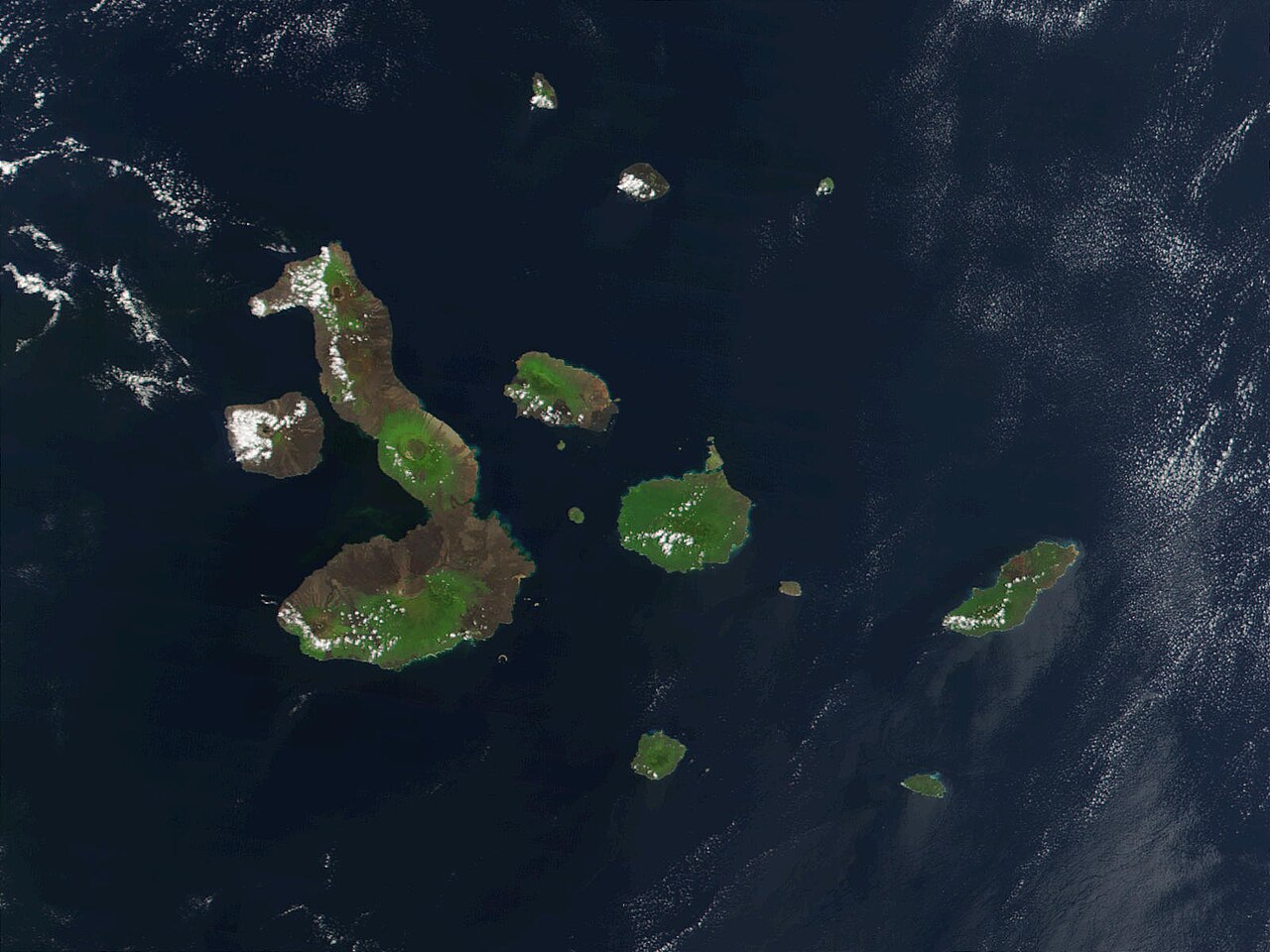
The word archipelago derives from the Italian 'arcipelago,' used as a proper name for the Aegean Sea, possibly a deformation of the Greek Αιγαίον Πέλαγος. Usage later shifted to refer to the Aegean Islands because the sea has a large number of islands. An erudite paretymology, deriving the word from Ancient Greek ἄρχι- (arkhi-, 'chief') and πέλαγος (pélagos, 'sea'), proposed by Buondelmonti, can still be found. Archipelagos are classified by geological origin. Oceanic islands, such as the Hawaiian Islands and Galapagos, form from volcanic activity and rise from the seafloor without continental rock. Continental fragments, like the Farallon Islands, were once part of a continent and became separated due to tectonic rifting or seafloor spreading. Continental islands, such as those of the Inside Passage and the Canadian Arctic Archipelago, sit on the continental shelf. Limestone reef archipelagos, like the Florida Keys, are primarily formed from ancient coral reefs that were submerged and then exposed as limestone islands by sea-level changes. Artificial archipelagos, such as Palm Islands and The World Islands in Dubai, are man-made structures for leisure, strategic, or environmental purposes.
Reader's Guide
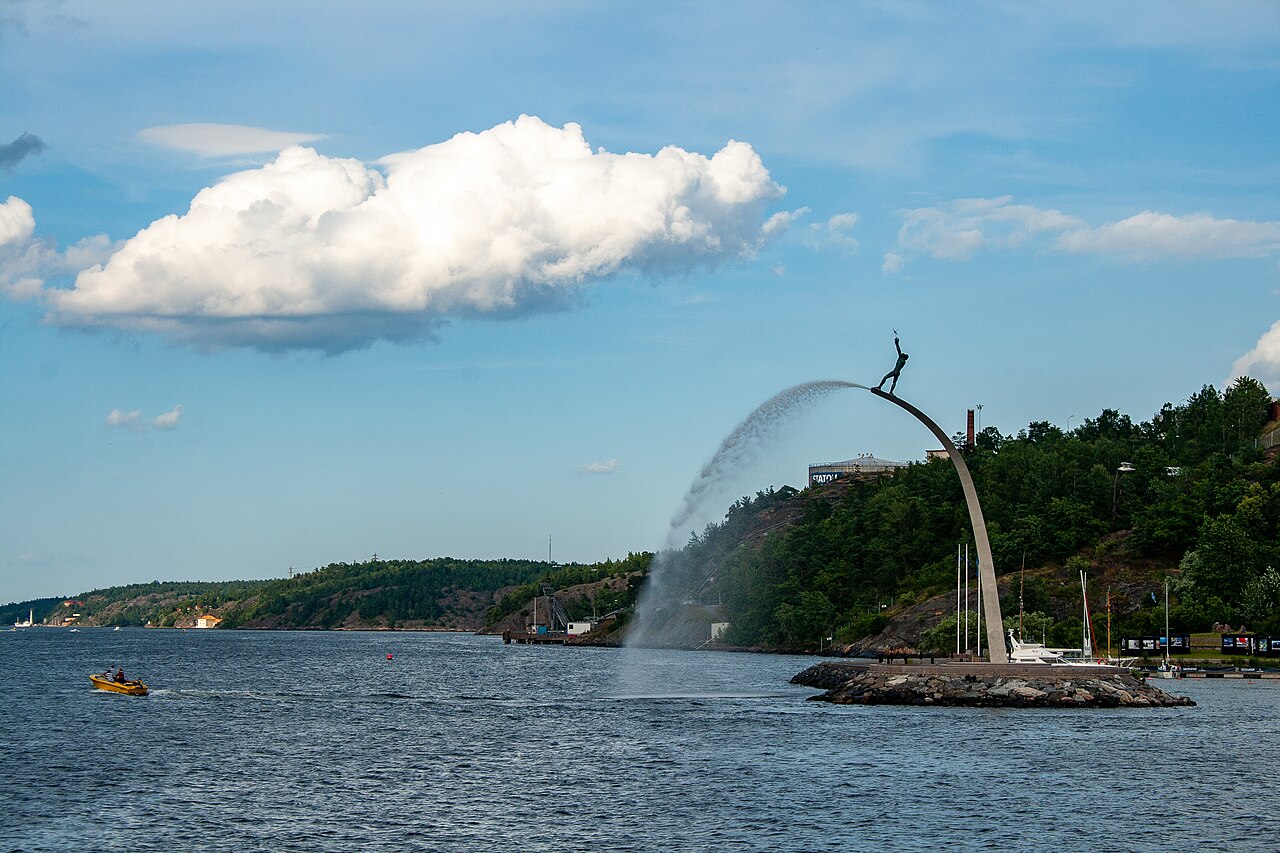
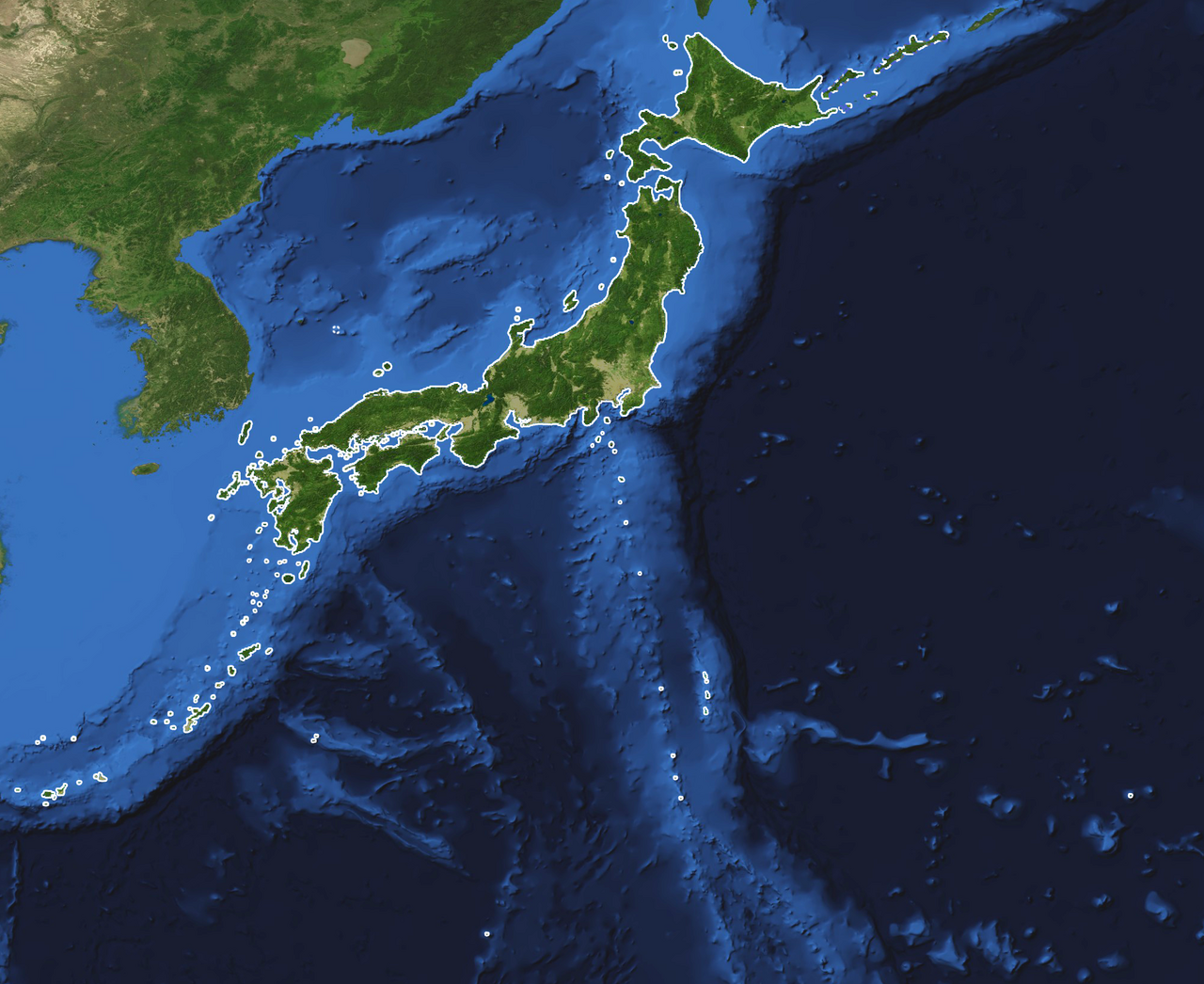
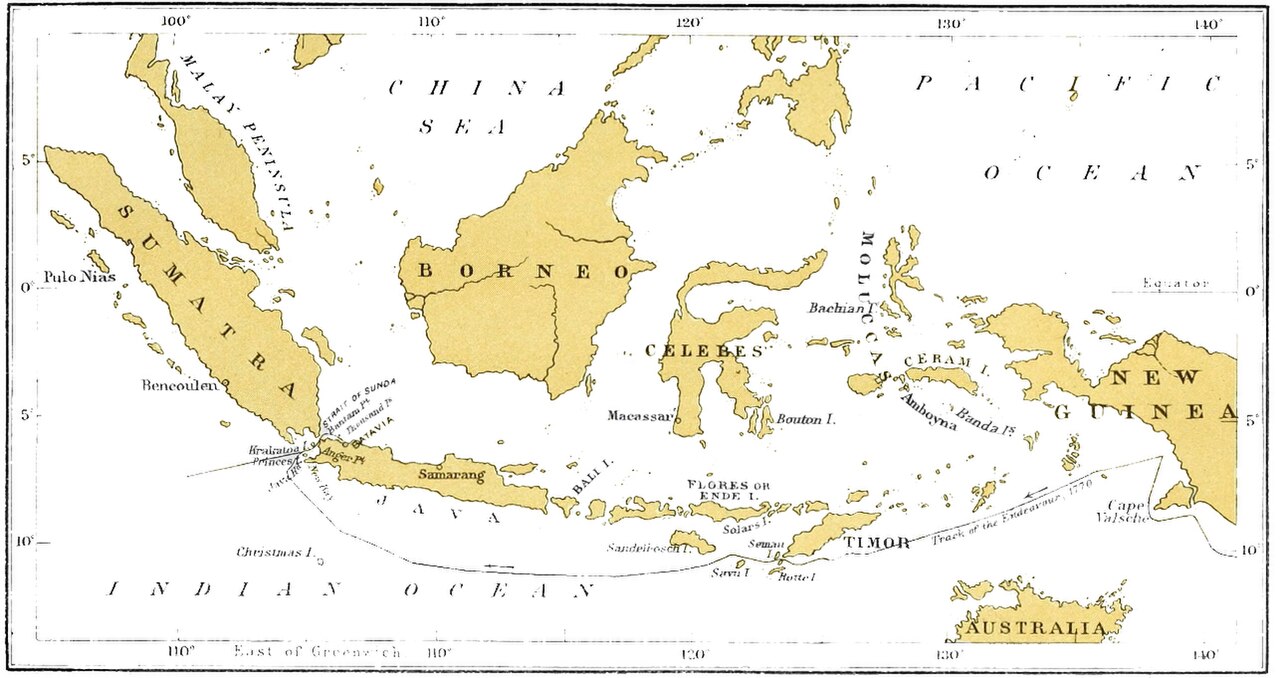
Archipelagos are significant geographic features that shape human settlement, biodiversity, and political boundaries. The largest archipelagic state by area and population is Indonesia, whose territory comprises most of the Indonesian Archipelago. Their formation processes—volcanic, continental fragmentation, coral cay buildup, or artificial construction—determine their ecological and geological characteristics. Examples include the Aegean Islands (origin of the term), the Canadian Arctic Archipelago, the Stockholm Archipelago, the Lucayan (Bahamian) Archipelago, the Japanese archipelago, the Hawaiian Archipelago, and the Galapagos. Artificial archipelagos like Marker Wadden in the Netherlands serve conservation purposes, while others like Palm Islands are built for tourism. The term's etymology reflects historical usage, with the Aegean Sea's many islands giving rise to the modern meaning.
Did You Know?
- The word archipelago is derived from the Italian 'arcipelago,' used as a proper name for the Aegean Sea.
- Artificial archipelagos like Marker Wadden in the Netherlands are built as conservation areas for birds and other wildlife.
Physical Geography & Climate
The Lucayan Archipelago sprawls across more than a thousand kilometres of the North Atlantic, stretching from the waters off south-eastern Florida down to the northern coast of Hispaniola. This vast island chain, situated north of Cuba and the Antilles, is composed of roughly 740 islands and 2,400 cays, yet only thirty-eight of them carry permanent human residents. The archipelago rests upon two enormous limestone and coral landforms that rise just above the ocean surface, keeping most of the terrain remarkably low-lying. The single highest point in the entire chain is Mount Alvernia on Cat Island, which climbs a modest sixty-three metres above sea level. Beyond the visible islands, submerged features such as the Mouchoir Bank, Silver Bank, and Navidad Bank extend the archipelago's geological footprint further to the southeast. The climate is quintessentially tropical, marked by persistent warmth, heavy humidity, and a clear division between wet and dry seasons. Tropical cyclones and hurricanes regularly sweep through the region, and their force frequently reshapes the very geography of these fragile islands.
The Lucayan People & Their Eradication
Long before European ships appeared on the horizon, the Lucayan Archipelago was home to the Lucayan people, a branch of the broader Taíno cultural family. Beginning in the eighth century and continuing into the sixteenth, these Indigenous communities built a rich and self-sustaining civilization across the islands. They developed their own distinct language, forms of government, customs, and traditions, and they maintained extensive maritime trade networks using dug-out canoes that linked the scattered islands together. In October of 1492, the Lucayans became the very first Indigenous Americans to encounter Christopher Columbus and his crew. That fateful contact, however, ushered in a devastating era. The Spanish quickly moved to enslave the Lucayan population, and by 1520 the people had been completely wiped out from several of the islands. The archipelago itself retains their name as a lasting, if bittersweet, memorial to a culture that was extinguished within barely a generation of first contact.
Political Composition & Human Settlement
The archipelago is divided between two distinct political entities: the sovereign nation of the Bahamas and the British Overseas Territory of the Turks and Caicos Islands. The Bahamas claims roughly seven hundred of the islands along with the majority of the cays, encompassing a total land area of about 13,880 square kilometres. Thirty of its islands are populated, with New Providence Island serving as the seat of Nassau, the largest city in the chain, and Andros standing as the single largest island by area. The Turks and Caicos Islands, by contrast, comprise forty islands and cays spanning approximately 948 square kilometres, of which eight are inhabited. Its principal islands include Providenciales, North Caicos, and Grand Turk. Together, these two jurisdictions account for the thirty-eight inhabited islands scattered across the entire archipelago. The region's very name honours the original Lucayan inhabitants, and scholars such as Julian Granberry and Gary Vescelius have proposed Taíno-language etymologies for numerous individual islands, preserving linguistic traces of the people who first called these shores home.
Marine & Terrestrial Biodiversity
The waters surrounding the Lucayan Archipelago sustain a vibrant marine ecosystem that supports a wide range of aquatic resident communities. Among the larger species documented in these waters are spotted dolphins, common bottlenose dolphins, and humpback whales, all part of the diverse marine life the archipelago's seas provide. On land, the islands' coastal caves offer shelter to a surprising variety of small fauna, including several species of frogs, lizards, nonpoisonous snakes, and multiple bat species that inhabit the dark, humid tunnels. The archipelago also supports a notably diverse array of birdlife, contributing to the overall richness of its terrestrial and coastal ecosystems. This ecological variety is underpinned by the tropical climate—characterized by consistently warm temperatures, high humidity, and a clear seasonal division between wet and dry periods—which together create conditions well suited to both the coral-and-limestone substrate beneath the islands and the living communities that thrive above and around them.
Gallery
Frequently Asked Questions
What is an archipelago in geological terms?
An archipelago is a chain, cluster, or collection of islands grouped together in a body of water. The term is sometimes also rendered as an island group or island chain.
What processes create archipelagos?
Archipelagos can form through volcanic activity, the fragmentation of continental crust, the exposure of limestone reefs, or even deliberate artificial construction. The specific mechanism determines which subtype of archipelago results.
Where does the word 'archipelago' come from?
The term traces back to the Italian 'arcipelago,' which was originally used as a proper name for the Aegean Sea. Over time its meaning shifted to refer specifically to the Aegean Islands and then generalized to any island cluster.
What are the recognized geologic types of archipelagos?
The main categories include oceanic islands, continental fragments, continental islands, limestone reef archipelagos, and artificial archipelagos. Each reflects a distinct formation pathway.
In what bodies of water can archipelagos be found?
Archipelagos occur in oceans, seas, and even smaller enclosed water bodies. Their size and spacing vary widely depending on the underlying geologic or human-made process that produced them.
More in Geology And Landforms 1-17
Spotted an error? Know more?
This is a living reference — every entry is fact-audited, and reader corrections feed straight into our audit queue. Suggest an edit · See this site's audit record