
Abyssal plain
Underwater plains covering about 30-40% of the ocean floor.

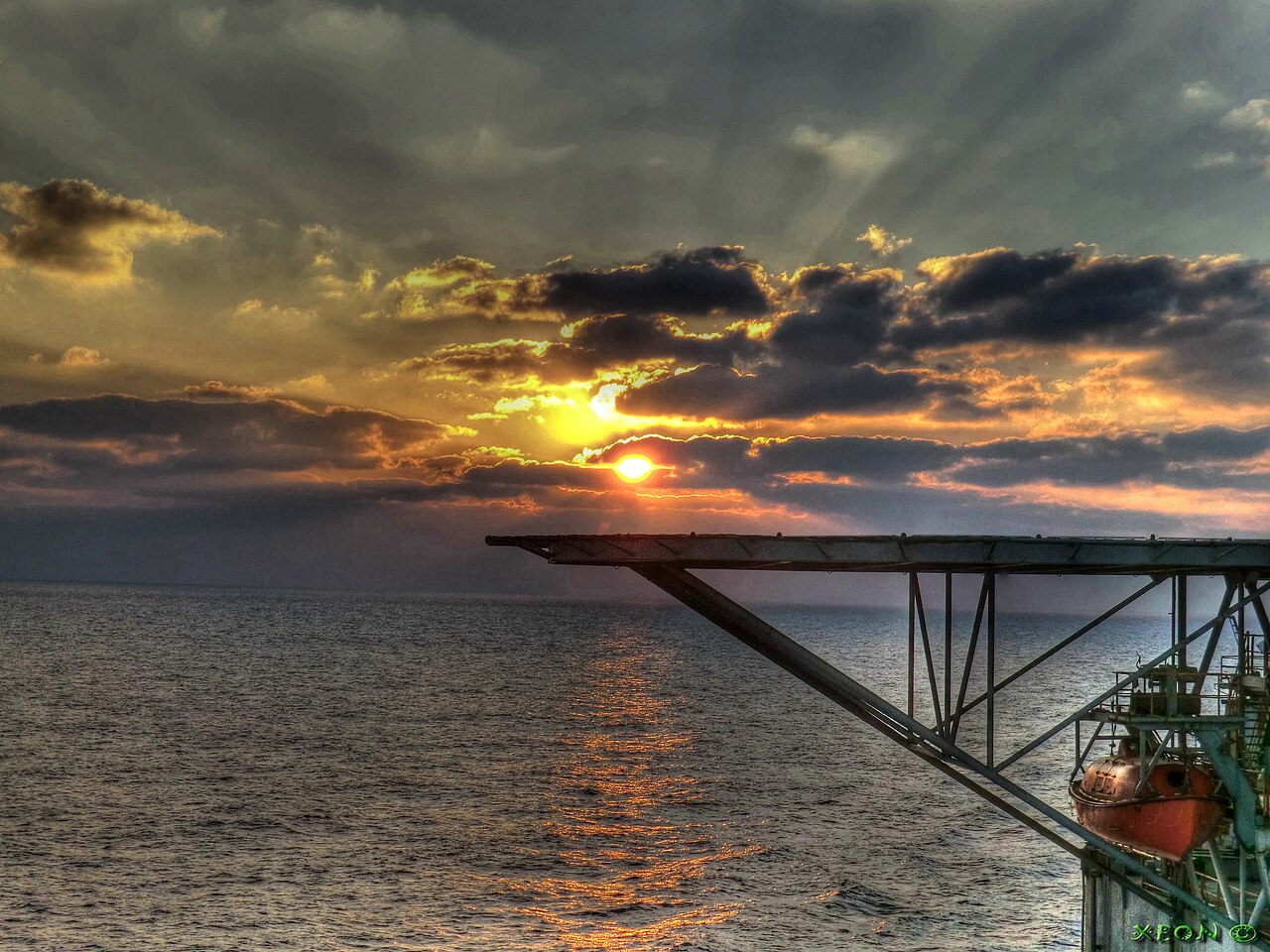
---=XEON=--- · CC BY 3.0
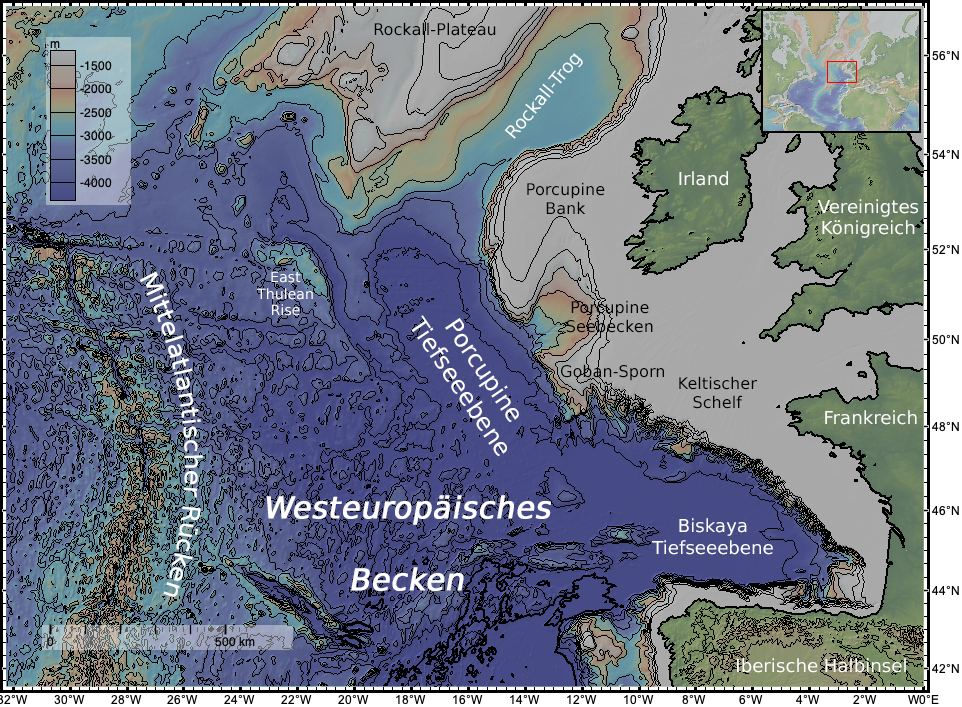
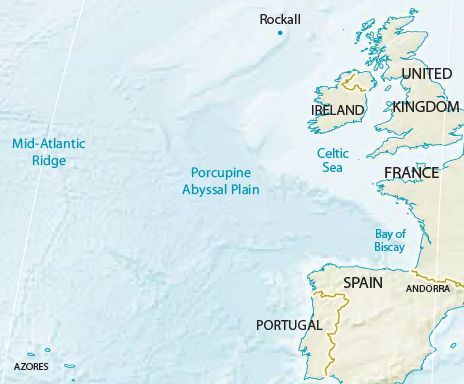
Lying between the foot of a continental rise and a mid-ocean ridge, these plains cover about 30-40% of the ocean floor (roughly 20-25% of Earth's total surface area) and are among the flattest, smoothest, and least explored regions on Earth. They are key geologic elements of oceanic basins, formed by the gradual accumulation of fine-grained sediments that blanket the uneven oceanic crust.
- surface_coverage
- About 30-40% of the ocean floor (20-25% of Earth's total surface area)
- oxygen_source
- Dissolved oxygen from surface waters near polar regions where cold, oxygen-rich water sinks
Lore & Background
Abyssal plains were not recognized as distinct physiographic features until the late 1940s, and until recently none had been studied systematically. They are poorly preserved in the sedimentary record because they tend to be consumed by subduction. The creation of abyssal plains results from the accumulation of fine-grained sediments—mainly clay and silt—that blanket the originally uneven oceanic crust formed at mid-ocean ridges. Much of this sediment is deposited by turbidity currents channeled from continental margins along submarine canyons, with the rest composed of pelagic sediments.
Reader's Guide
Abyssal plains are significant as major reservoirs of biodiversity and exert a substantial influence on ocean carbon cycling, dissolution of calcium carbonate, and atmospheric CO2 concentrations over time scales of a hundred to a thousand years. Their ecosystems are strongly influenced by the rate of food flux to the seafloor and the composition of settling material. Factors such as climate change, fishing practices, and ocean fertilization affect primary production in the euphotic zone, which in turn impacts the abyssal plains. Due to darkness and extreme water pressure, these plains are not well explored, and animals there absorb dissolved oxygen from oxygen-poor waters, much of which originated from polar regions.
Did You Know?
- Abyssal plains cover about 30-40% of the ocean floor, which is about 20-25% of Earth's total surface area.
- They are among the flattest, smoothest, and least explored regions on Earth.
- Metallic nodules on abyssal plains contain manganese, iron, nickel, cobalt, and copper.
- Abyssal plains were not recognized as distinct features until the late 1940s.
Gallery

Frequently Asked Questions
What is an abyssal plain?
An abyssal plain is a vast, remarkably flat underwater expanse on the deep ocean floor, positioned between the base of a continental rise and a mid-ocean ridge. They are considered among the smoothest and most level regions on Earth's surface.
How much of Earth's surface do abyssal plains cover?
They span approximately 30–40% of the total ocean floor, which works out to about 20–25% of Earth's entire surface area, making them one of the most extensive landform types on the planet.
How are abyssal plains formed?
They develop over long geological timescales as fine-grained sediments slowly settle and accumulate, gradually blanketing the otherwise rugged oceanic crust and producing a deceptively smooth, level surface.
Why are abyssal plains significant in geology?
They are fundamental structural components of oceanic basins, yet despite their enormous size they remain among the least explored regions on Earth, making them a major frontier for oceanographic research.
More in Geology And Landforms 1-17
Spotted an error? Know more?
This is a living reference — every entry is fact-audited, and reader corrections feed straight into our audit queue. Suggest an edit · See this site's audit record